IN DECEMBER 2025, NHS England reported a sharp surge in flu and norovirus hospitalisations, with flu admissions rising by more than 55% in a single week. Readily transmitted via contaminated high-touch surfaces, these viruses have renewed concerns about hygiene resilience across hospitals, transport systems, schools, and other communal spaces.
High-touch surfaces such as door handles, tables, light-switches, and handrails are known hotspots for microbial transfer. These surfaces can harbour pathogens for extended periods, allowing them to spread quickly between patients, staff and passengers alike.
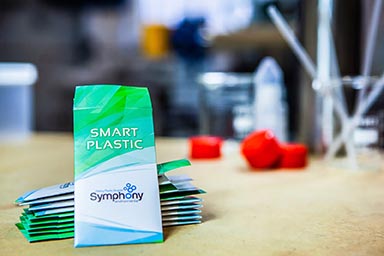
Michael Laurier, CEO at Symphony Environmental, argues that the company’s d2p antimicrobial technology, integrated directly into plastic products during manufacturing, is urgently needed to provide permanent 24/7 protection.
He says: “The recent spike in hospital infections by flu and norovirus is a stark reminder of how quickly pathogens can impact public services when surface transmission isn’t adequately controlled. As infection concerns rise, passive, built-in antimicrobial protection should be a core component of public-health infrastructure, not just an optional add-on.
“High-touch environments, from hospitals and care-homes, to buses, trains and kitchen facilities, play a critical role in the spread of infectious agents, especially in winter months. d2p antimicrobial technology helps break that chain of transmission.”
Unlike sprays or temporary surface coatings that quickly lose efficacy, d2p is embedded into the plastic products at the point of manufacture. This ensures that it becomes an intrinsic, non-leaching part of the plastic itself, providing long-lasting performance without altering the product’s appearance or functionality.
Mr Laurier explains, “By integrating antimicrobial performance directly into the plastic surfaces, it will inhibit the growth of bacteria and viruses and kill these pathogens around the clock. This creates safer, more hygienic environments without altering the feel, appearance or functionality of the product, thus breaking the chain of transmission and making safer places.”
Mr Laurier concludes, “It is very easy, and not at all expensive to provide protection from microbes — just contact us and our technical dept will help you to do it.”
See page 25 of our April/May 2026 issue on our Back Issues page.